

The Future of Augmented Reality in Mobile Apps
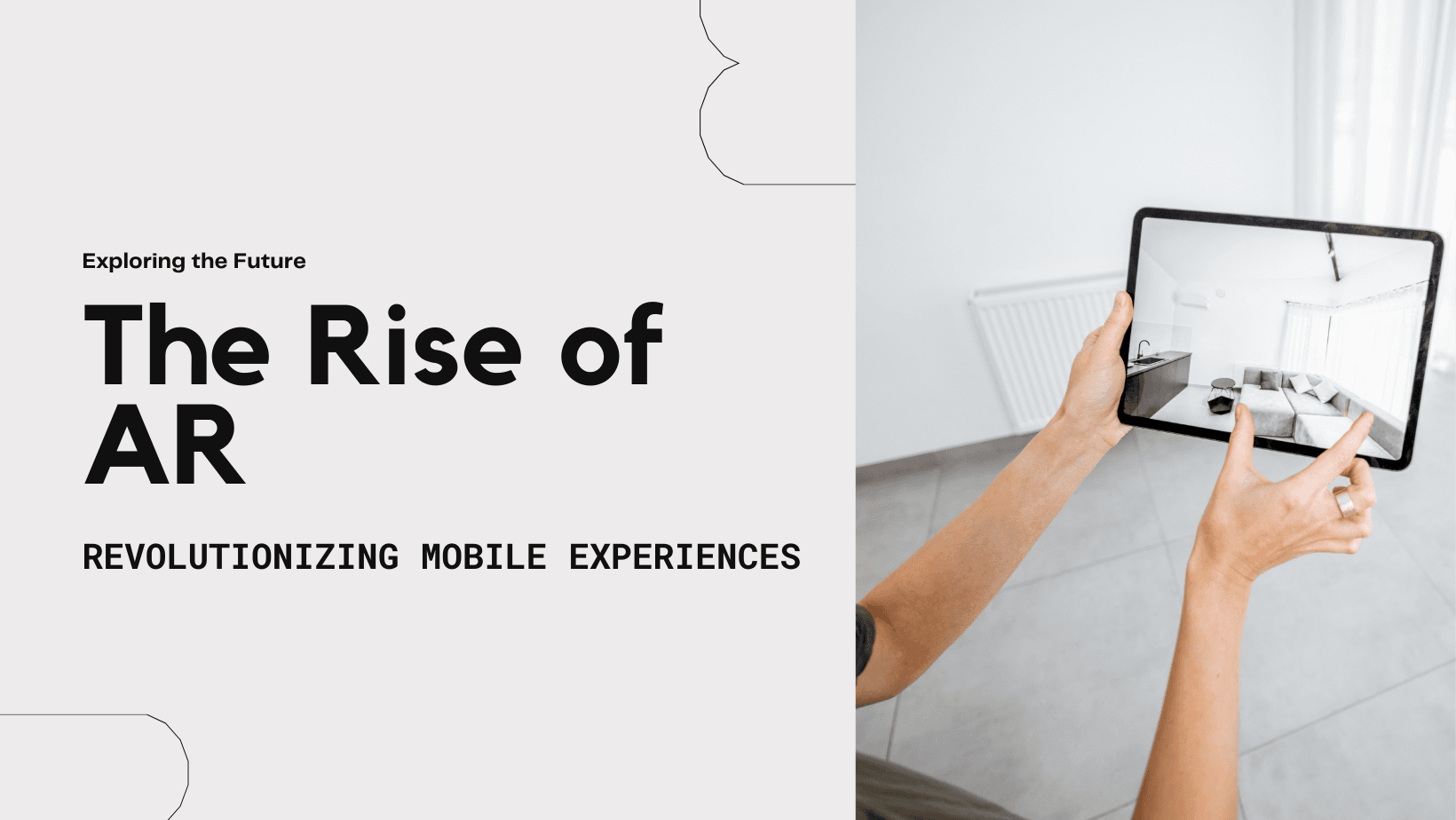
Introduction Augmented Reality (AR) has rapidly evolved from a niche technology to a transformative force in mobile app development. Sodio Technologies is at the forefront of integrating AR into mobile apps, revolutionizing user experiences across various industries. This blog explores the promising future of AR in mobile apps, its current applications, and the potential it holds for enhancing user engagement and interaction.
1. Current Applications of Augmented Reality AR has already made significant strides in various sectors:
- Retail and E-Commerce: Virtual try-on for clothing and accessories, interactive product visualization.
- Gaming: Immersive gaming experiences blending virtual elements with the real world.
- Education: Interactive learning experiences, virtual simulations, and educational games.
- Healthcare: AR-assisted surgery, medical training simulations, patient education.
- Real Estate: Virtual property tours, interior design visualization.
2. Enhancing User Engagement with AR AR enhances user engagement by:
- Interactive Experiences: Allowing users to interact with virtual objects in real-time.
- Personalization: Tailoring experiences based on user preferences and behavior.
- Storytelling: Creating immersive narratives and virtual experiences.
- Gamification: Incorporating game-like elements to increase user interaction and retention.
3. Integration of AR with AI and Machine Learning The synergy of AR with AI and machine learning enhances:
- Personalized Experiences: AI algorithms analyze user data to deliver personalized AR content.
- Real-Time Adaptation: Machine learning enables AR apps to adapt to user interactions and environmental changes.
- Predictive Insights: AI-powered analytics provide valuable insights into user behavior and preferences.
/// Not sure where to start?
Get the architecture before you commit
Tell us what you're building and we'll map the technical approach, stack, and rough timeline. No cost, no obligation, no sales call required.
4. AR and Social Media Integration AR is reshaping social media platforms by:
- AR Filters and Lenses: Enhancing user-generated content with interactive AR effects.
- Virtual Social Interactions: AR-powered virtual meetings, events, and shared experiences.
- AR Advertising: Targeted advertising campaigns using AR to engage users dynamically.
5. AR in Enterprise Solutions AR is transforming business operations with:
- Remote Assistance: AR-enabled support and maintenance services.
- Training and Education: AR-based employee training and skill development.
- Visualization and Prototyping: AR for product design, prototyping, and visual simulations.
6. Overcoming Challenges and Barriers Key challenges include:
- Hardware Limitations: Dependency on device capabilities for optimal AR experiences.
- Privacy and Security Concerns: Protecting user data in AR environments.
- Integration Complexity: Ensuring seamless integration with existing systems and technologies.
To continue with a closely related topic, read mobile App Security Best Practices.
7. Future Trends and Innovations The future of AR in mobile apps is promising with:
- AR Cloud: Persistent AR experiences across devices and locations.
- 5G Connectivity: Enhancing AR capabilities with low latency and high bandwidth.
- Spatial Computing: Advancements in spatial mapping and interaction in AR environments.
Conclusion As AR continues to evolve, Sodio Technologies remains committed to pushing the boundaries of innovation in mobile app development. By harnessing the potential of AR to create immersive, interactive, and personalized experiences, Sodio Technologies is poised to lead the future of mobile apps. Embracing AR technologies will not only enhance user engagement but also drive business growth and differentiation in an increasingly competitive digital landscape.
Have a project in mind? Contact Sodio Technologies to discuss your requirements and explore the right technology solution for your business.
/// Work with us
Talk to the engineers who'd build it
You'll get a technical scope, timeline and cost estimate from the people doing the work, not an account manager. In-house team, no subcontracting, since 2016.