
Silling Token – ERC-20 Token On Ethereum
An ERC-20 token deployed on Ethereum mainnet with a total supply of 500 million SLN, built by Sodio for standard-compliant transfers and out-of-the-box wallet and exchange compatibility.
Overview
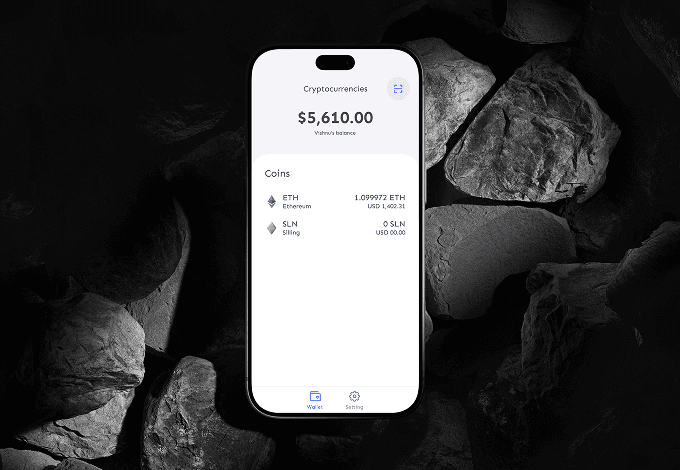
Silling (SLN) is an ERC-20 token deployed on the Ethereum mainnet. Sodio designed, developed and deployed the token contract, taking it from specification through to a live contract on the Ethereum blockchain.
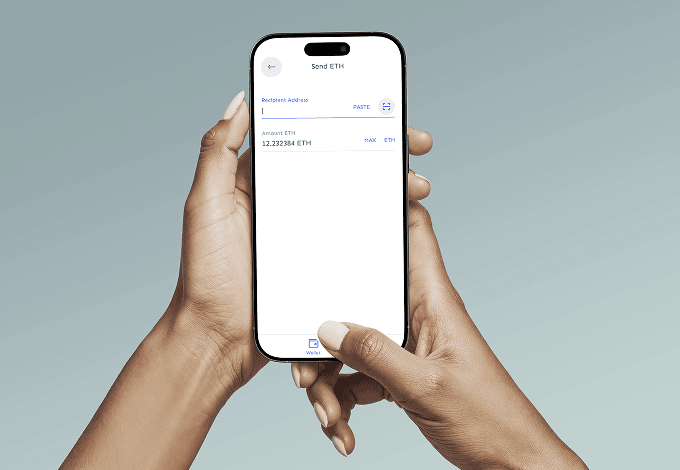
The token follows the ERC-20 standard, which means it works with the wallets, exchanges and tooling the Ethereum ecosystem already uses, without custom integration. It carries a total supply of 500,000,000 SLN with 18-decimal precision — the same convention used by Ether itself — so balances and transfers behave predictably across every integration.
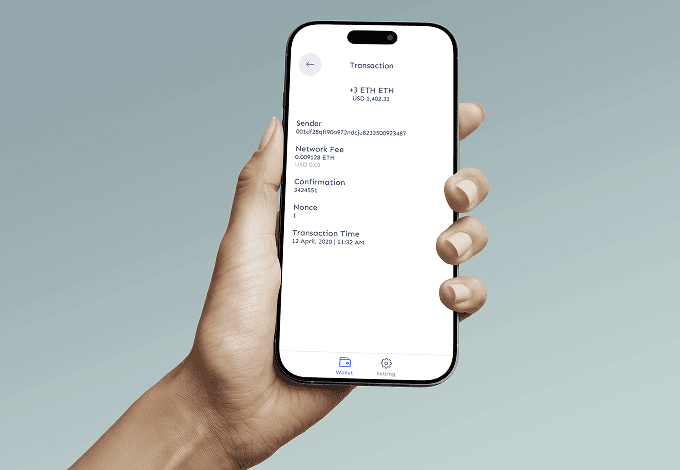
Since deployment in 2020, the contract has processed more than 3,830 on-chain transactions. Every transfer is publicly visible on Ethereum at the contract address 0xAa21377986B264D2d794b355170660Ca94798070.


/// The Brief
The client needed a token that would work reliably across the Ethereum ecosystem from the day it launched. For a token, that bar is unforgiving. A contract that deviates from the standard fails quietly in wallets and exchanges, and once it is deployed to mainnet it cannot simply be patched.
The requirements were a clear, transparent supply, full ERC-20 compliance so the token would be accepted by wallets and exchanges without special handling, and a contract dependable enough to hold value from the moment it went live — because every holder would rely on it behaving exactly as specified.
/// Our Approach
We treated the contract as what it is: code that becomes permanent the moment it is deployed, and that will hold other people’s value. That pushed every decision toward simplicity. Rather than adding custom mechanics that widen the attack surface, we built on the established ERC-20 interface and kept the logic small enough to reason about completely.
The token was configured with a total supply of 500,000,000 SLN at 18-decimal precision, matching the convention the rest of the Ethereum ecosystem expects. Predictable decimals matter more than they appear to — a mismatch is one of the most common reasons a token displays incorrectly in wallets and on exchanges.
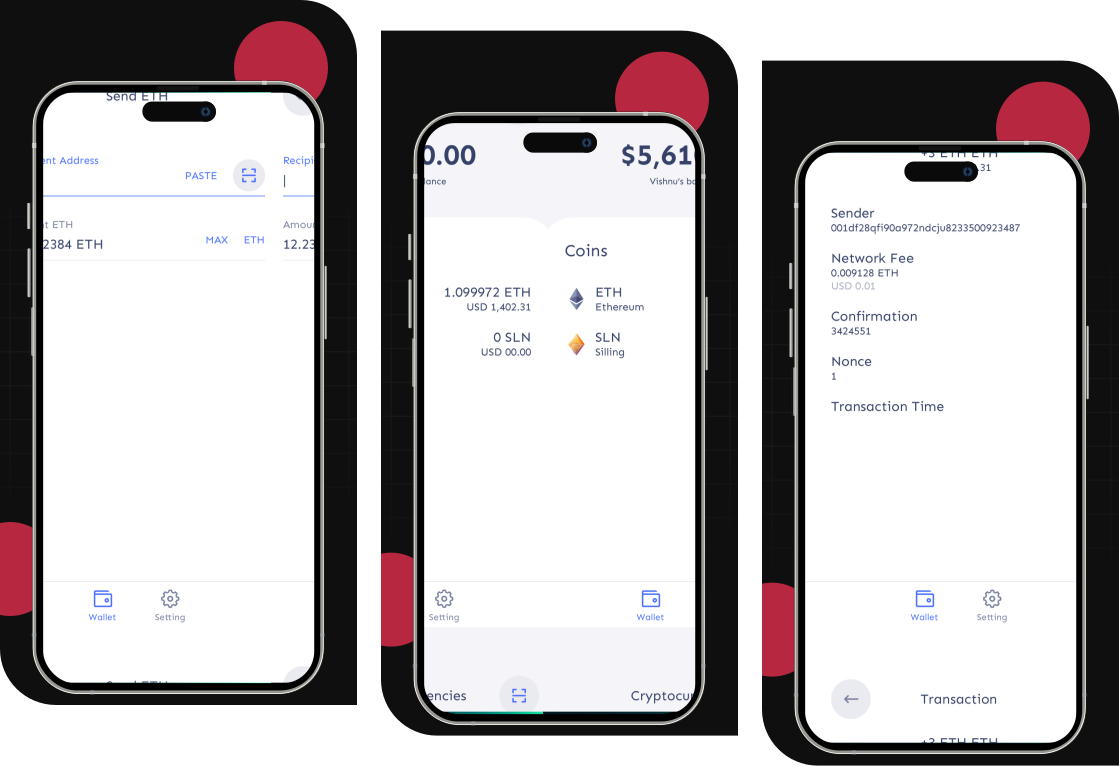
Before deployment, the contract was tested against the behaviours wallets and exchanges depend on — transfers, approvals, allowances and balance queries — so integrations would work without special handling. It was then deployed to Ethereum mainnet, where every transaction is publicly visible.

/// The Result
The result is Silling: a standard-compliant ERC-20 token deployed on Ethereum mainnet, with a total supply of 500,000,000 SLN.
The contract has processed more than 3,830 transactions on-chain, with SLN moving between wallets exactly as the ERC-20 standard expects. For a token, that is the practical test of whether it works across the ecosystem — not a demo, but real transfers between real wallets.
Because the contract lives on a public blockchain, every one of those transactions remains independently verifiable. That transparency is the core property a token offers its holders, and it is why getting the contract right before deployment matters more than anything built around it.
500M
SLN TOTAL SUPPLY
3,830+
ON-CHAIN TRANSACTIONS ON ETHEREUM MAINNET
2020
DEPLOYED TO ETHEREUM MAINNET
///FEATURED CASE
Silling Token
An ERC-20 token on Ethereum mainnet with a 500 million SLN supply and 3,830+ on-chain transactions.